ExhVerse Helps Curators Shape an Online Exhibition With a Clear Point of View
Curators can use ExhVerse to create an online exhibition in which selected works, their placement, and accompanying
Press Release Disclaimer: This is a press release distributed through the XPR Media network. It has not been independently verified by our newsroom.
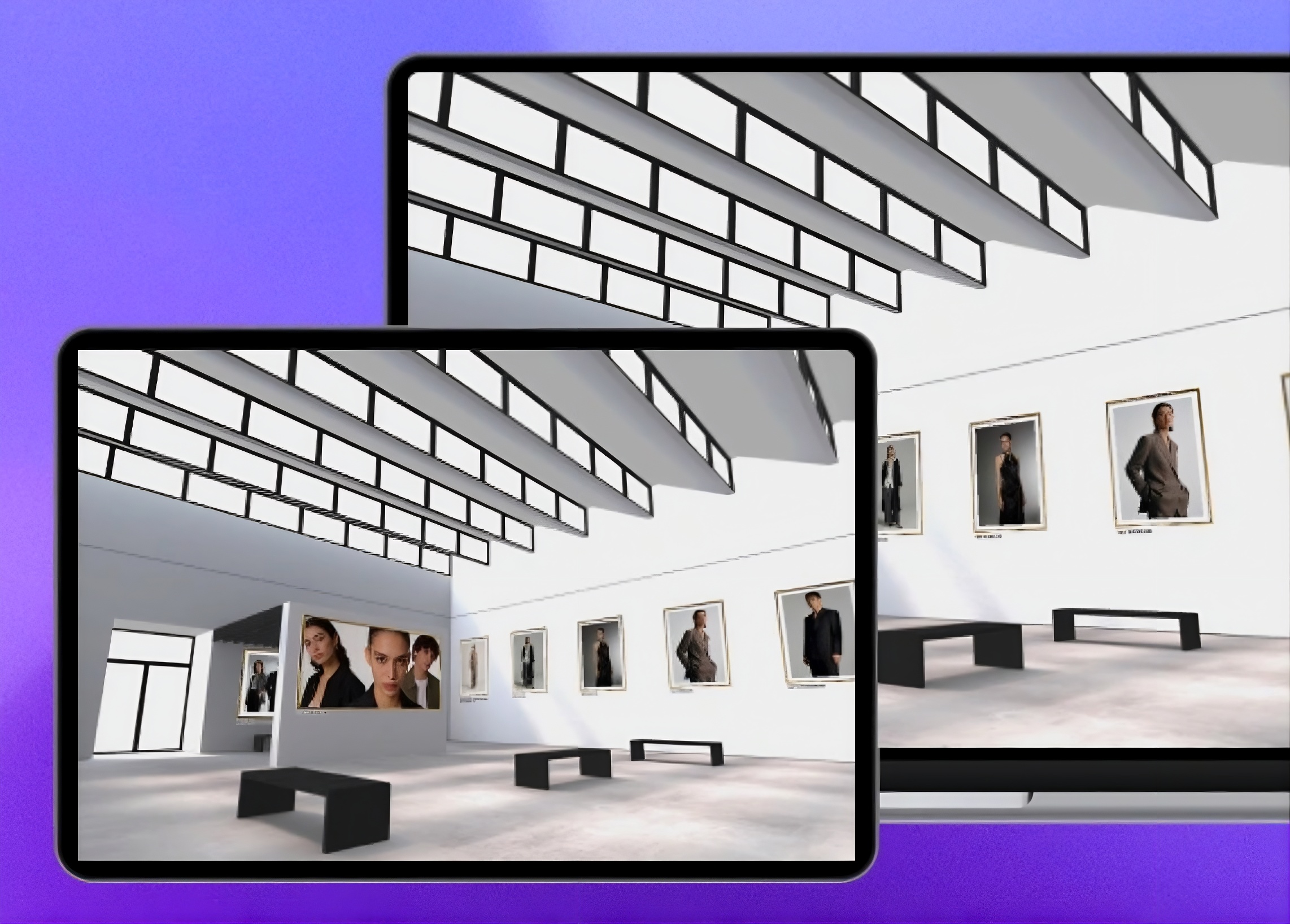

Curators can use ExhVerse to create an online exhibition in which selected works, their placement, and accompanying text express a considered curatorial idea.
Hong Kong, Hong Kong (PRUnderground) October 19th, 2026
For a curator, an online exhibition begins with a decision about what the works should bring into view. ExhVerse provides a browser-based space for developing that presentation, allowing curators to arrange selected images and supporting information within a ready-made 3D environment. The curator determines the exhibition’s scope and point of view, then uses the platform to make those choices visible to an audience.
A clear premise gives the selection a purpose. For a show about repair, a curator could select a photograph in which conspicuous stitching becomes part of a garment’s appearance and a painting depicting a vessel with a barely visible repaired crack. The contrast shifts attention from repair as a shared subject to the choice of revealing or concealing its traces.
For that exhibition, another image of conspicuous stitching might repeat a point already made. The curator could leave it out and retain a quieter work that complicates the initial reading. Such choices give the presentation a defined scope. ExhVerse supplies a place to arrange and describe the selected images; the interpretation remains the curator’s responsibility.
ExhVerse’s exhibition and artwork information tools provide places for the curator to explain these relationships. The introduction can establish the subject and the reason for bringing the works together. Individual descriptions can supply relevant background or direct attention to a detail, such as the visible seam in the photographed garment. These texts offer ways into the work without requiring every visitor to reach the same conclusion.
Viewing the assembled display also gives the curator an opportunity to reconsider how the idea reads. An introduction may assume knowledge that a first-time visitor does not have. Two descriptions may repeat each other, while an important connection remains unexplained. Reviewing the presentation from the audience’s perspective can reveal where a shorter label or a more precise opening statement would help.
“An online exhibition should make the curator’s choices visible without deciding every visitor’s response,” said Winston Zhang, CEO of ExhVerse. “With ExhVerse, we want organizers to give works enough context to be considered together while leaving room for different interpretations.”
ExhVerse offers a free version supporting up to three exhibitions with 30 works per exhibition and access to free templates. Curators can use it for a compact thematic presentation or an independently organized digital show. Pro options provide greater capacity and additional presentation features.
A published exhibition opens in a web browser without a separate app. Curators and their organizations can share its link through a website, newsletter, or public-program announcement, introducing the show to audiences beyond those attending a physical venue.
To develop an online exhibition around a curatorial concept, visit ExhVerse.
About ExhVerse
ExhVerse is a browser-based 3D gallery and virtual exhibition platform powered by FlipHTML5. It provides ready-made environments and presentation tools for curators, artists, galleries, museums, and cultural organizations. Free and Pro plans are available.