OSHA Highlights Workplace Inspection Risks as Heat Index Reaches 80 Degrees Under Heat Safety Regulations
Just another WordPress site
Press Release Disclaimer: This is a press release distributed through the XPR Media network. It has not been independently verified by our newsroom.
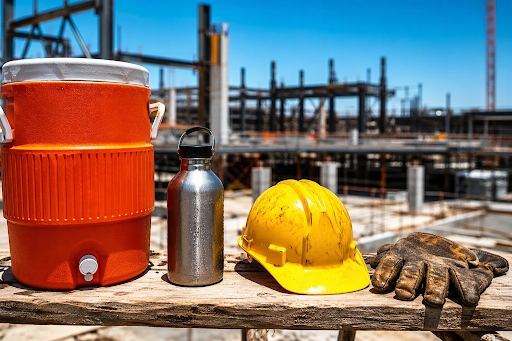

Washington, United States – October 17, 2026 – As of September 2026, a forecast inside OSHA’s heat-screening range can put heat questions on a compliance officer’s list, even one who arrived to investigate a fall hazard or a blocked exit. That is how far the Heat National Emphasis Program reaches. It is an OSHA enforcement directive, one that builds a nationwide mechanism for proactive inspections of high‑risk workplaces. Programmed inspections can occur on days the National Weather Service issues a heat warning or advisory. Citations still require documented heat hazards.
The 2022 heat directive was extended to stay in effect until April 8, 2026. Then the agency replaced it. Directive CPL 03-00-024, effective April 10, 2026, now governs inspection procedures, and that is the document to read.
What the 80-degree threshold triggers
A screening point, not a summons
Under the current program, a forecast heat index of 80°F or higher can prompt a heat-hazard inquiry. OSHA’s Heat Initiative treats a forecast heat index of 80°F or higher as a “heat priority day,” which triggers prioritized OSHA inspections and enforcement efforts. The forecast alone does not automatically establish a violation, though. Officers can ask about prevention measures first, then decide if a formal examination of suspected hazards is warranted.
Questions alone are not a citation.
When an inspection does open or expand for heat, the officer evaluates actual exposure and employer practices, not the forecast number. A citation needs a supported legal basis. That basis comes from the rules described later in this article.
Heat index is only part of the exposure picture
The National Weather Service heat index captures how hot conditions feel once humidity mixes with air temperature. It is not a plain thermometer reading. Standard values assume shade and light wind.
OSHA’s Heat: Hazard Recognition guidance adds more exposure factors to the picture. Direct sunlight and radiant heat raise the burden. So does limited airflow. Protective clothing hinders cooling, and heavy physical work generates body heat of its own.
Federal OSHA sets no universal temperature at which all employees must stop working. Environmental heat and job conditions shape the risk. Applicable state standards can be more specific.
How OSHA heat regulations lead to an inspection
Programmed inspections in higher-risk industries
An emphasis program concentrates inspection and outreach resources on a single hazard. Under the current directive, programmed inspections use industry targeting plus dangerous weather conditions, including National Weather Service heat warnings or advisories. Selection does not mean every employer in a targeted industry gets a visit.
Outdoor examples include roofing and road work. Indoors, warehouses and commercial kitchens with inadequate cooling draw attention, and process heat can warrant it even when outdoor weather is mild. The directive’s industry appendix lists which codes qualify for programmed targeting.
Complaints and reported incidents bring OSHA onsite too
You can contact OSHA about a suspected serious heat hazard through the agency’s complaint process. A complaint does not guarantee a visit; OSHA weighs the allegations and their severity before responding. Referrals and reported hospitalizations or fatalities can prompt unprogrammed inspections. An officer already on site for another hazard may expand the inquiry when heat conditions warrant.
What compliance officers examine
The directive lists the evidence officers may review:
-
The employer’s heat-hazard plan and weather-monitoring process
-
Access to drinking water and suitable recovery areas
-
Rest practices, workloads, and scheduling
-
Acclimatization procedures for new or returning workers
-
Training and supervision, including emergency response
-
Injury records and interviews with workers and supervisors
Protective equipment, radiant heat, and the presence of a feasible measure that could have reduced a recognized hazard all factor in. The officer reads a written plan alongside the conditions documented at the worksite.
An enforcement initiative is not a binding heat standard
The legal basis rests on rulemaking status
OSHA’s Heat: Standards guidance addresses legal obligations relevant to heat exposure. The agency has pursued federal heat rulemaking, but proposed requirements cannot be enforced as a final standard. The Heat Injury and Illness Prevention in Outdoor and Indoor Work Settings rulemaking proceeding is the official record for the proposal’s status and any final requirements or effective dates.
|
OSHA mechanism |
What it does |
What it does not do |
|
Heat National Emphasis Program |
Directs inspections and outreach concerning heat hazards |
Does not independently mandate specific break intervals |
|
General Duty Clause |
May support enforcement involving recognized hazards likely to cause death or serious harm when feasible corrective measures exist |
Does not create a universal stop-work temperature |
|
Specific OSHA rules |
Address related matters such as drinking water or recordkeeping |
Do not necessarily provide comprehensive heat protections |
|
Federal heat rulemaking |
Can create detailed requirements through a final, effective standard |
A proposal alone does not create enforceable final requirements |
Excessive heat may support a violation when OSHA proves the required elements under an applicable standard or the General Duty Clause, 29 U.S.C. § 654(a)(1). A high temperature alone proves nothing. Federal law does not ban all work at 100°F; employers keep their workplace-safety duties, and state requirements can be stricter.
Federal OSHA and state-plan enforcement can differ
State-plan heat enforcement does not mirror the federal program word for word. Approved plans must protect workers at least as effectively as federal OSHA does, whether they adopt the emphasis program or use an equivalent approach. Some jurisdictions enforce their own heat-specific standards, so a national summary cannot tell you which rule governs every location. To compare requirements, consult the responsible state agency and federal OSHA’s coverage information.
Florida has no OSHA-approved state plan. Federal OSHA covers the state’s private-sector employers; state and local government employees sit outside that coverage. For Floridians, enforcement questions and injury claims are separate tracks, and a heat-related injury claim is its own legal analysis. Chalik & Chalik Injury Lawyers on OSHA heat regulations covers the 80°F screening threshold, Florida’s federal OSHA jurisdiction, and the line between an enforcement initiative and a binding heat standard, and Floridians facing serious heat-related injury claims can discuss their cases directly with founding partners Jason and Debi Chalik.
What workers should know when a workplace feels dangerously hot
Reporting hazards and legal options
You can report suspected heat hazards to a supervisor and to OSHA through the complaint process. That channel concerns workplace enforcement. Payment for an injury is a separate matter.
Available remedies come from three things: an actual injury, the employment relationship, and the governing jurisdiction’s law. Workers’ compensation rules can limit claims against an employer. Third-party responsibility, where it exists, comes from the facts of the incident.
An injury claim depends on the applicable compensation system and the legally responsible parties. Readers who want an individual assessment should consult a lawyer licensed in the governing jurisdiction.
The forecast starts the inquiry, not the verdict
Forecasts point OSHA toward potential heat hazards. Actual exposure and employer practices decide what happens next. The emphasis program directs enforcement activity; applicable standards set the substantive requirements. For current program guidance, consult OSHA’s active directive and applicable standards, and check weather guidance through the National Weather Service.
About OSHA
The Occupational Safety and Health Administration (OSHA) is a U.S. Department of Labor agency responsible for protecting workers by setting and enforcing workplace safety and health requirements. OSHA provides employers and workers with guidance, standards, inspections, and enforcement resources addressing workplace hazards, including heat-related risks.
Media Contact
Company Name: OSHA
Contact Person: Lee Anne Jillings
Email: Send Email
City: Florida
Country: United States
Website: chaliklaw.com
Press Release Distributed by ABNewswire.com
To view the original version on ABNewswire visit: OSHA Highlights Workplace Inspection Risks as Heat Index Reaches 80 Degrees Under Heat Safety Regulations