Kerassentials Launches Topical Oil Formula for Nail and Skin Health With Ingredient-by-Ingredient Research Overview
Stimulant-free topical blend combines lavender oil, tea tree oil, lemongrass oil, aloe vera, organic flaxseed oil,
Press Release Disclaimer: This is a press release distributed through the XPR Media network. It has not been independently verified by our newsroom.
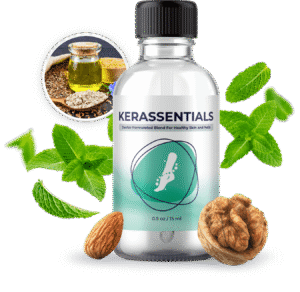

Stimulant-free topical blend combines lavender oil, tea tree oil, lemongrass oil, aloe vera, organic flaxseed oil, almond oil, tocopheryl acetate and undecylenic acid to support nail and skin health, with a plain-language summary of published research on each ingredient
AURORA, Colo., Sept. 21, 2026 — Kerassentials today announced the availability of its topical oil formula for nails and surrounding skin. The product is applied daily after showering and combines eight ingredients — seven oils and botanical compounds plus the fatty acid undecylenic acid — with no caffeine or systemic stimulants. It is intended for adults who want a topical product as part of a daily hygiene routine.
Alongside its launch, Kerassentials is publishing an overview of the published research on each ingredient in its formula. The overview addresses both what studies have found and where the evidence remains limited.
“Nail and skin health is a category where marketing tends to run well ahead of the clinical evidence,” said Kevin Moore, Media Relations at Kerassentials. “We want consumers to understand exactly what is in this formula and what the research actually says about each ingredient — including where the evidence is preliminary or inconclusive. That means including the studies that produced mixed results, not only the ones that went our way.”
A Topical, Stimulant-Free Formula
Kerassentials is applied topically — directly to the nail bed and surrounding skin — rather than taken as an oral supplement. Its formula brings together two categories of ingredients:
- Seven oils and botanical-derived compounds with histories of use in traditional wellness and varying levels of modern laboratory or clinical research.
- One fatty acid, undecylenic acid, which is derived from castor oil and has been studied specifically in the context of fungal nail conditions.
Because the formula is topical, it bypasses many of the systemic considerations associated with oral supplements. That said, topical ingredients are not without potential for skin sensitivity or interaction with other products applied to the same area. Users with skin conditions, allergies to botanical oils, or current prescriptions for topical antifungal medication should consult a healthcare provider before use.
The product is manufactured in a facility that follows Good Manufacturing Practice (GMP) guidelines.
Tea Tree Oil: The Most Studied Ingredient in the Formula
Tea tree oil (Melaleuca alternifolia) is the ingredient in the Kerassentials formula with the largest body of published research relevant to nail and skin conditions. Its antifungal and antimicrobial properties have been documented in laboratory (in vitro) studies, and it has also been evaluated in clinical settings.
A study published in the Journal of Essential Oil Research documented in vitro antifungal activity of tea tree oil against relevant fungal species [1]. A clinical study published in Skin Appendage Disorders (Alessandrini et al., 2020) evaluated a nail oil containing vitamin E and essential oils — including tea tree oil — in participants with mild to moderate distal subungual onychomycosis and reported improvements in nail appearance at follow-up [2].
These findings carry important caveats. The Alessandrini study was an open-label trial with no placebo control, which limits conclusions about whether the formula caused the observed improvements. Laboratory antifungal activity does not automatically translate to clinical efficacy when applied to the nail, which has a dense keratin structure that many topical agents penetrate poorly. No large-scale, randomized, placebo-controlled trial has established tea tree oil as a proven treatment for onychomycosis.
Undecylenic Acid: A Topical Fatty Acid With Antifungal Research
Undecylenic acid is a naturally derived fatty acid obtained from castor oil. The U.S. Food and Drug Administration has included undecylenic acid in its over-the-counter (OTC) monograph as an accepted active ingredient for certain fungal skin conditions, including tinea pedis (athlete’s foot).
A clinical case series published in Foot & Ankle Specialist (Rehder & Nguyen, 2008) evaluated a topical nail preparation containing undecylenic acid among its active components and reported improvements in nail appearance for participants who completed the treatment course [3]. The study was small and uncontrolled. Kerassentials notes an important distinction: undecylenic acid’s OTC recognition applies to fungal skin conditions, not nail bed applications specifically, and the finished Kerassentials formula has not been evaluated in published clinical trials.
Lavender Oil: In Vitro Antifungal Activity With Limited Clinical Translation
Lavender essential oil (Lavandula angustifolia) has been studied for antifungal activity in laboratory settings. A study published in Scientifica (Behmanesh et al., 2015) reported in vitro antifungal activity of lavender oil against Candida albicans, a fungal species relevant to skin and nail conditions [4].
As with tea tree oil, in vitro findings do not constitute proof of clinical efficacy. Human skin and nail tissue present structural barriers that alter how topically applied compounds behave. Kerassentials includes lavender oil as a component of its botanical profile and does not attribute a specific antifungal outcome to this ingredient alone.
Lemongrass Oil: Traditional Use and Preliminary Laboratory Data
Lemongrass oil has a long history of use in traditional botanical practices. Published research on its antimicrobial properties exists primarily at the laboratory level. Well-controlled human clinical trials specifically examining lemongrass oil for nail or skin fungal conditions are limited. Kerassentials includes lemongrass oil as part of its multi-ingredient topical blend and does not attribute a standalone clinical outcome to this ingredient.
Aloe Vera: Skin-Soothing Properties and Some Antifungal Data
Aloe vera is widely used in topical skin preparations for its moisturizing and soothing properties. It also has antifungal data in laboratory research: a study published in the Oman Medical Journal (Saniasiaya et al., 2017) reported inhibitory effects of Aloe vera leaf extract against fungal species at specific concentrations [5].
Laboratory inhibitory concentrations do not correspond directly to the concentrations achievable in a commercial topical formula applied to nails. Aloe vera’s most clinically supported role is as a skin-conditioning and moisturizing agent rather than a standalone antifungal treatment.
Organic Flaxseed Oil, Almond Oil and Tocopheryl Acetate: Skin-Conditioning Ingredients With Limited Antifungal Evidence
The remaining three ingredients have established roles in skin conditioning but limited published data specific to antifungal nail conditions.
- Organic flaxseed oil is rich in omega-3 fatty acids and has been studied for its role in skin barrier function and inflammation. A review published in the Journal of Food Science and Technology (Goyal et al., 2014) documented its fatty acid composition and nutritional properties [6]. Antimicrobial data for flaxseed oil against fungal nail pathogens specifically remains limited.
- Almond oil is a commonly used carrier oil in topical cosmetic and wellness products, valued for its emollient properties. Its inclusion in this formula is primarily as a skin-conditioning agent. Clinical evidence specific to nail fungal conditions is sparse.
- Tocopheryl acetate is a stable ester form of vitamin E used widely in topical formulas for its antioxidant and skin-protective properties. A case report published in Archives of Dermatology (Williams et al., 1991) documented topical vitamin E use in a specific nail condition (yellow nail syndrome), but this finding does not establish a benefit for fungal nail infections broadly [7].

What Ingredient Research Does and Does Not Show
Kerassentials’ research overview separates three questions: what each ingredient is, what researchers have independently found about it, and what has been demonstrated for the finished formula as applied to the nail.
The studies referenced in this release examined single ingredients, often in laboratory models or small uncontrolled trials, at concentrations that may differ from those in the Kerassentials formula. The finished formula combines eight ingredients in a single topical application, and its specific combination has not been evaluated in published randomized controlled trials. For that reason, Kerassentials does not describe its product as clinically proven or attribute individual ingredient findings to the complete formula.
“We included what the research supports and where it stops,” Moore added. “Some of our ingredients have solid laboratory data; others are primarily included as skin-conditioning components with limited antifungal evidence. We think people deserve to know the difference before they buy.”
Safety and Suitability
Kerassentials is intended for external use only. Because it contains concentrated botanical oils, users should be aware of the following:
- Individuals with known allergies to any of the botanical oils in the formula — including tree nuts (almond oil) — should review the ingredient list before use.
- People currently under the care of a dermatologist or physician for a fungal nail or skin condition should consult their provider before adding any topical product to their routine.
- Topical essential oils can cause sensitization reactions with repeated use in some individuals, even when no allergy was previously identified.
- Nail and skin changes that do not improve or that worsen over time should be evaluated by a qualified healthcare professional, as several conditions affecting nail appearance require clinical diagnosis.
Consumers should follow the product label directions and should not apply to broken, infected, or inflamed skin without medical advice.
Product Format and Availability
Kerassentials is available to U.S. consumers through its official website, kerassentials.com. The product is supplied as a topical oil applied using the included applicator. The recommended routine is daily application after showering.
About Kerassentials
Kerassentials is a topical formula for nails and surrounding skin. Its formula combines lavender oil, organic flaxseed oil, almond oil, tea tree oil, lemongrass oil, aloe vera, tocopheryl acetate and undecylenic acid in a daily-use topical oil manufactured in a GMP-compliant facility.
Kerassentials’ mission is to give consumers transparent, research-informed choices in nail and skin wellness — combining botanical ingredients with a commitment to honest communication about what the science supports and where it falls short. The company believes that people make better decisions when they have access to clear, unbiased information about the products they use every day.
References
- Yadav E, Kumar S, Mahant S, et al. Tea tree oil: a promising essential oil. Journal of Essential Oil Research. 2017;29(3):201–13.
- Alessandrini A, Starace M, Bruni F, et al. An open study to evaluate effectiveness and tolerability of a nail oil composed of vitamin E and essential oils in mild to moderate distal subungual onychomycosis. Skin Appendage Disorders. 2020;6(1):14–8.
- Rehder P, Nguyen TT. A new concept in the topical treatment of onychomycosis with cyanoacrylate, undecylenic acid, and hydroquinone. Foot & Ankle Specialist. 2008;1(2):93–6.
- Behmanesh F, Pasha H, Sefidgar AA, et al. Antifungal effect of lavender essential oil (Lavandula angustifolia) and clotrimazole on Candida albicans: an in vitro study. Scientifica. 2015.
- Saniasiaya J, Salim R, Mohamad I, et al. Antifungal effect of Malaysian Aloe vera leaf extract on selected fungal species of pathogenic otomycosis species in in vitro culture medium. Oman Medical Journal. 2017;32(1):41.
- Goyal A, Sharma V, Upadhyay N, et al. Flax and flaxseed oil: an ancient medicine and modern functional food. Journal of Food Science and Technology. 2014;51(9):1633–53.
- Williams HC, Buffham R, du Vivier A. Successful use of topical vitamin E solution in the treatment of nail changes in yellow nail syndrome. Archives of Dermatology. 1991;127(7):1023–8.
Media Contact
Kevin Moore, Media Relations Manager
Kerassentials
19655 E 35th Dr #100, Aurora, CO 80011, USA
Email: contact@kerassentials-product.com
Phone: 1-800-390-6035
Website: kerassentials.com
These statements have not been evaluated by the Food and Drug Administration. This product is not intended to diagnose, treat, cure or prevent any disease. Research referenced in this release concerns individual ingredients studied independently and does not constitute clinical evaluation of the complete Kerassentials formula or endorsement by the cited researchers, journals or institutions.
The post Kerassentials Launches Topical Oil Formula for Nail and Skin Health With Ingredient-by-Ingredient Research Overview appeared first on 24 Health Times.